
Pablo Antonino and Paula Gracia of Santa & Cole
How to run a design brand that doesn’t follow the rulebook
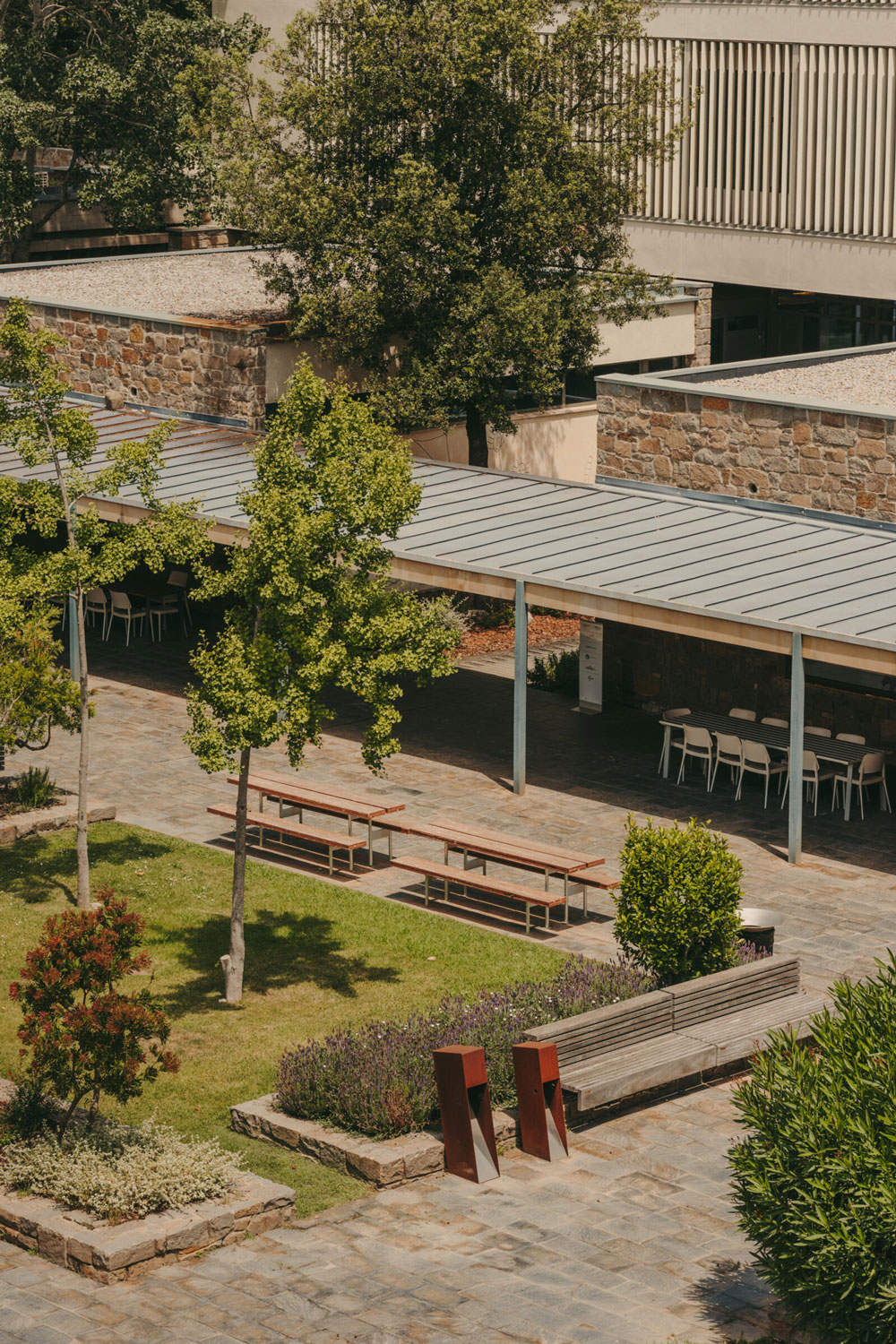
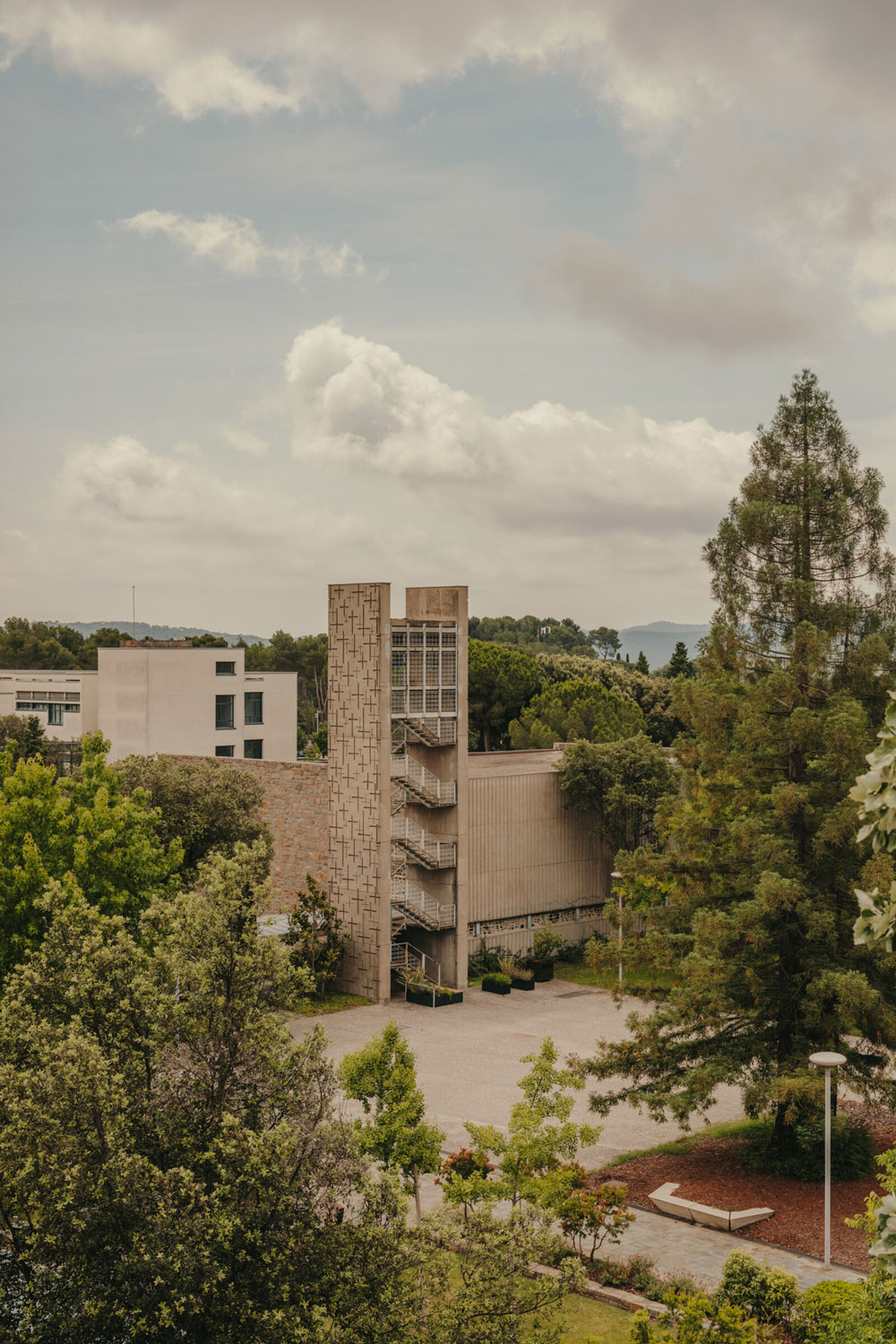
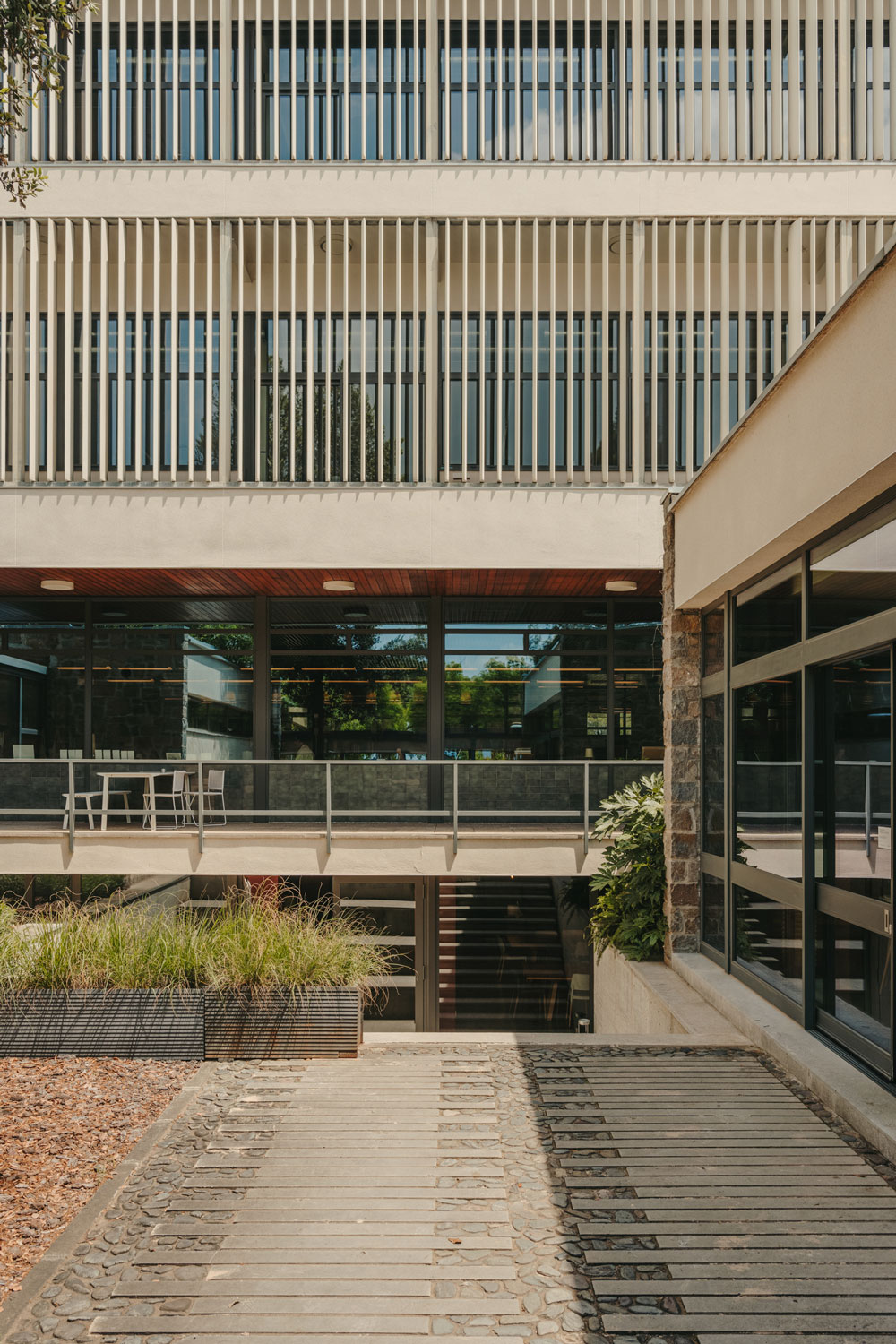
Running a design brand today means more than just creating beautiful objects – it requires a commitment to sustainability, quality, and long-term thinking. While other companies may chase rapid growth and cost-cutting measures, Santa & Cole has taken a different path. Founded in 1985, Santa & Cole is based just outside Barcelona in the Parc de Belloch estate, a 170-hectare property surrounded by nature. Its headquarters reflect the brand’s philosophy of thoughtful design and sustainability, and the company aims to become a cultural destination for the design industry.
We met with Pablo Antonino, Sales Director, and Paula Gracia, Communications Director at Santa & Cole, during a recent trip to Barcelona. During our conversation, they shared how the company balances innovation with integrity, what sustainability means beyond environmental impact, and what it takes to stay relevant without compromising its values.
Photography by Salva Lopez and Santa & Cole
Share
“We still revisit their foundational writings, where they focused on criteria rather than business models.”
Q:
A:
Santa & Cole was founded 40 years ago, in 1985. We’ve continuously had the privilege of working closely with the original founders – Nina Masó, Javier Nieto Santa and Gabriel Ordeig Cole. Unfortunately, Gabriel Ordeig Cole passed away in 1994, and Nina Masó in 2023, but their vision remains a strong foundation for the company. Understanding why Santa & Cole was created, its history and the thinking behind its products makes it easy for new generations like ours to connect with its purpose. It happens naturally.
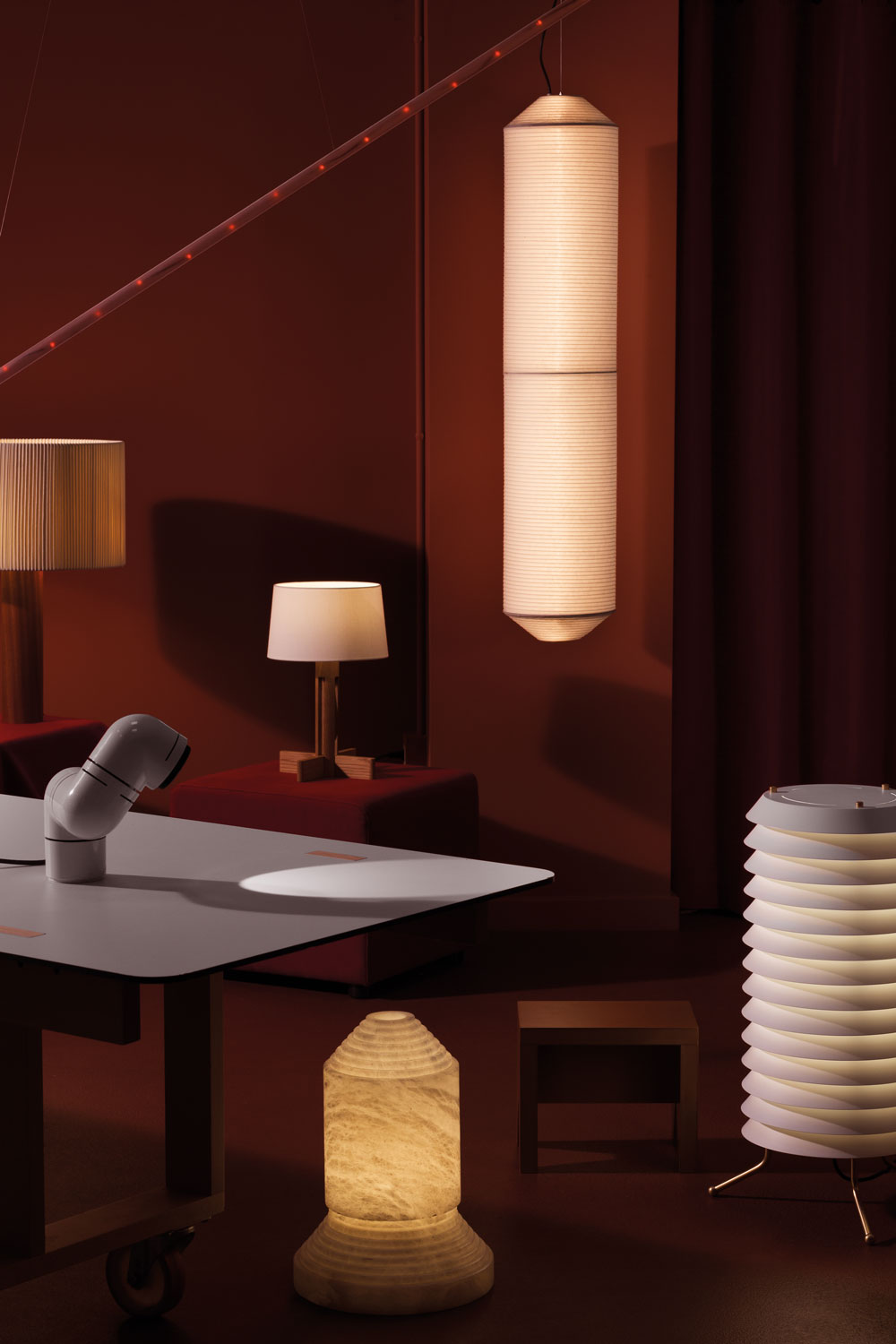
From the very beginning, the founders had a broader vision beyond lighting. We still revisit their foundational writings, where they focused on criteria rather than business models. They wanted to build a catalogue shaped by strong values, encompassing all kinds of products – from lighting to furniture to small accessories. Their mission was always broader than a single category.
“It wasn’t originally conceived as a sustainability policy – it simply made sense to keep production close.”
Q:
A:
Most of our materials are still sourced locally. It wasn’t originally conceived as a sustainability policy – it simply made sense to keep production close. Working with suppliers within roughly 200 km of Barcelona means faster turnaround times, greater quality control and a much smaller transportation footprint.
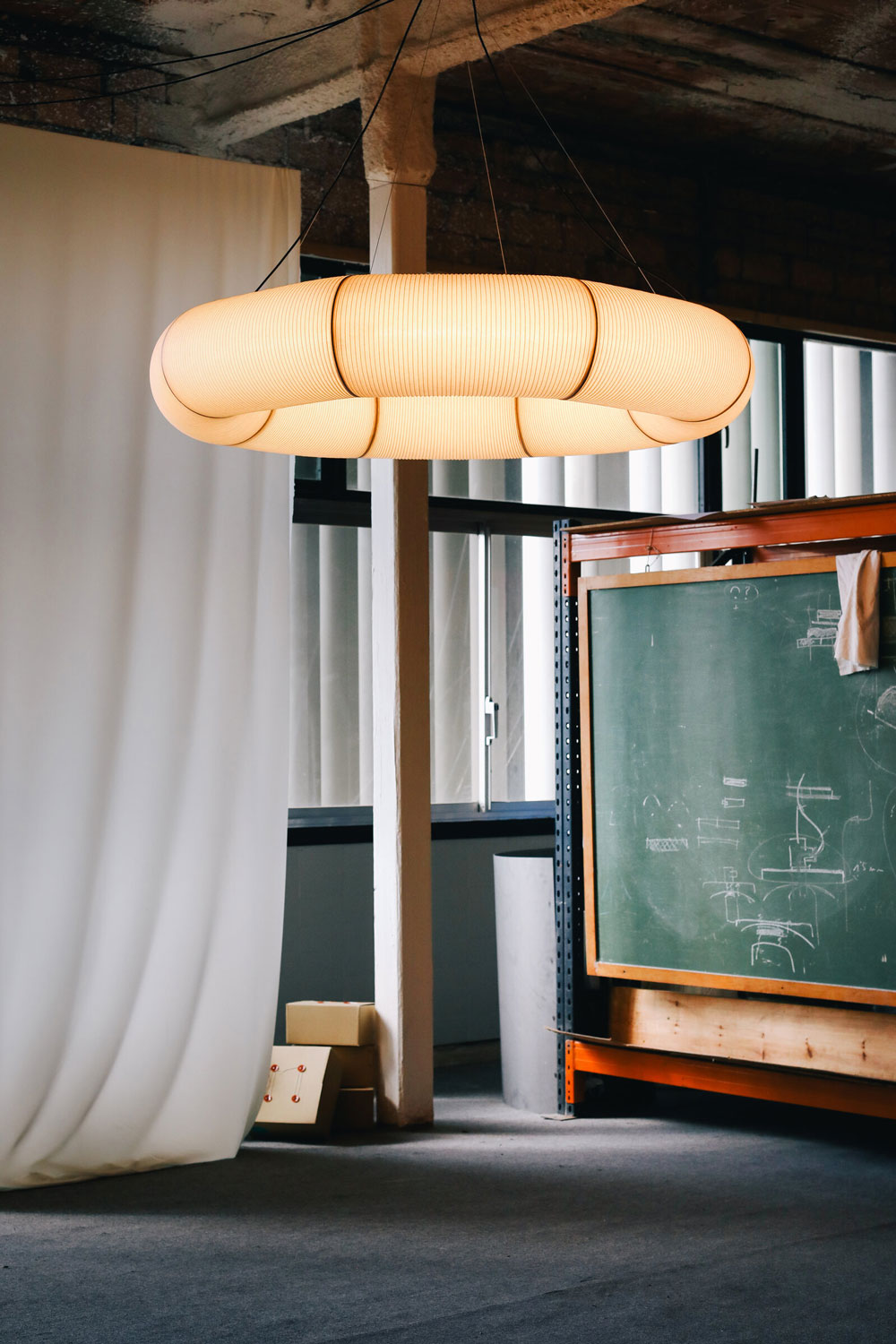
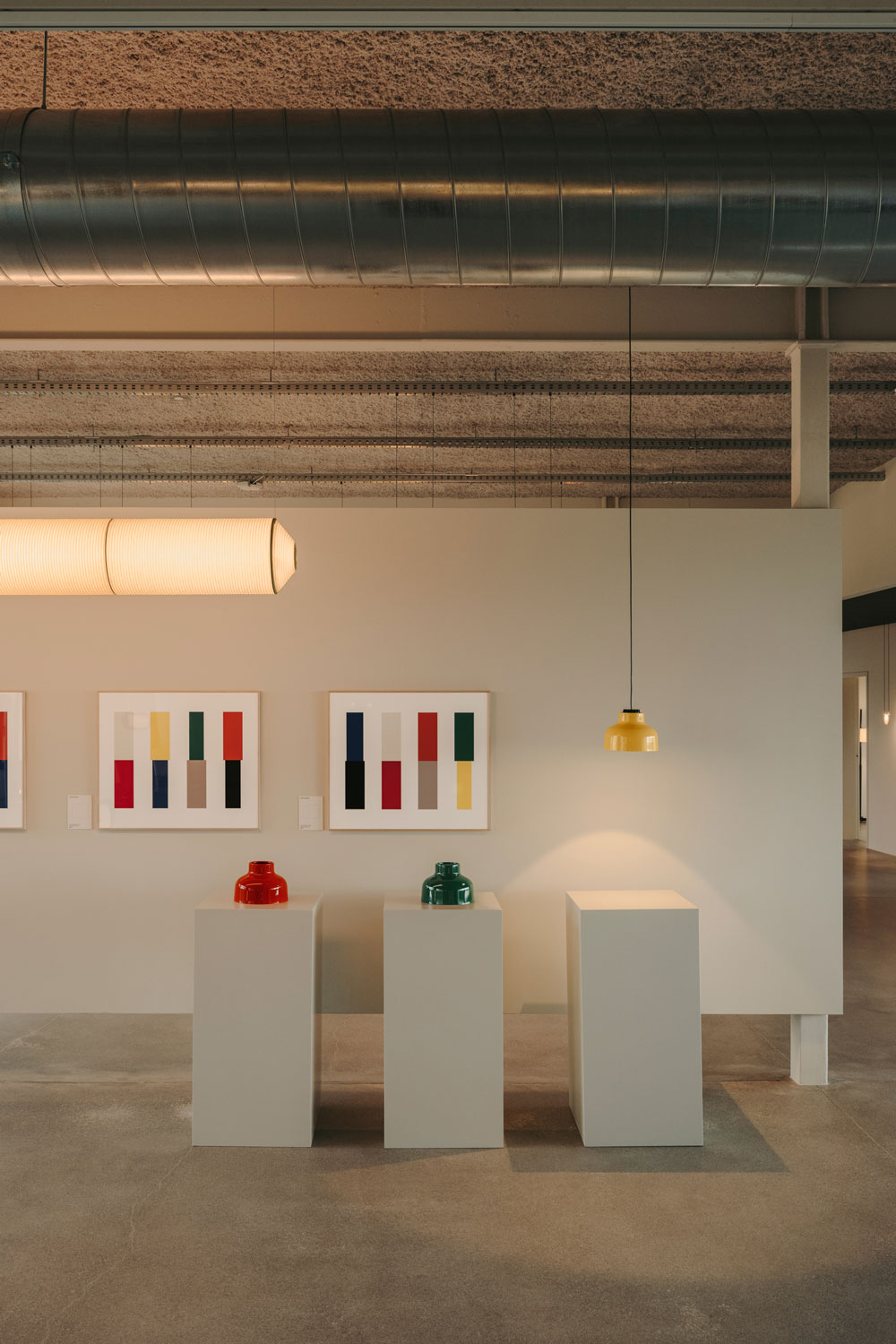
At the same time, we prioritise expertise. We source ceramics from Sargadelos i Galicia, which is highly regarded, and we use paper from Japan for its quality. What matters most to us is craftsmanship – the details, the finishes.

“… it’s about making money to create things, not creating things to make money.”
Q:
A:
We are very aware of the cultural relevance of design, as objects and spaces have a huge influence on our lives and shape our experiences. So we take responsibility to promote a certain material culture and consider this guiding purpose a cultural endeavour rather than a business goal.
As Mr Santa once said – it’s about making money to create things, not creating things to make money. This mindset is incredibly freeing and belongs to those who truly enjoy what they do and believe in it.
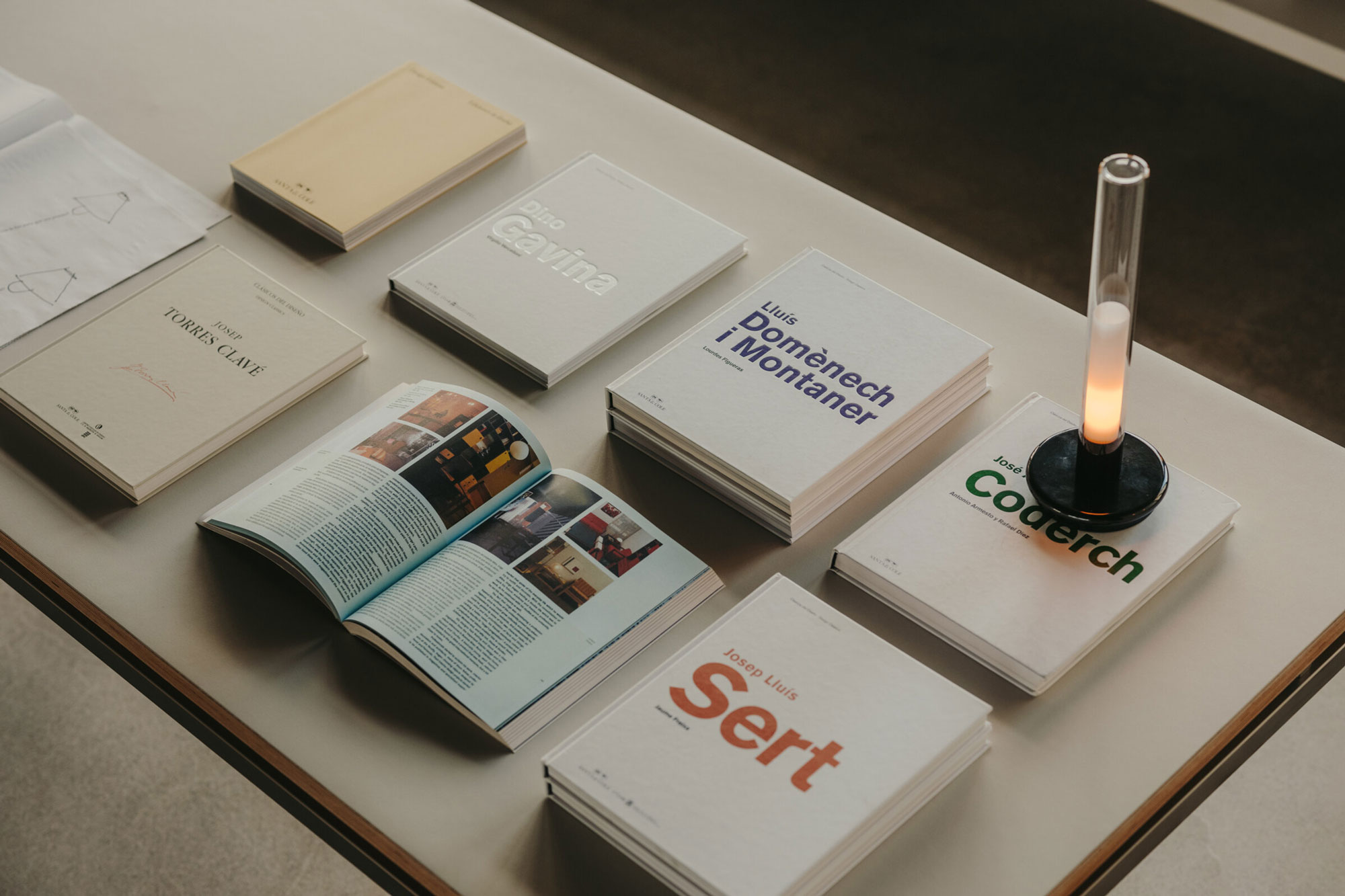
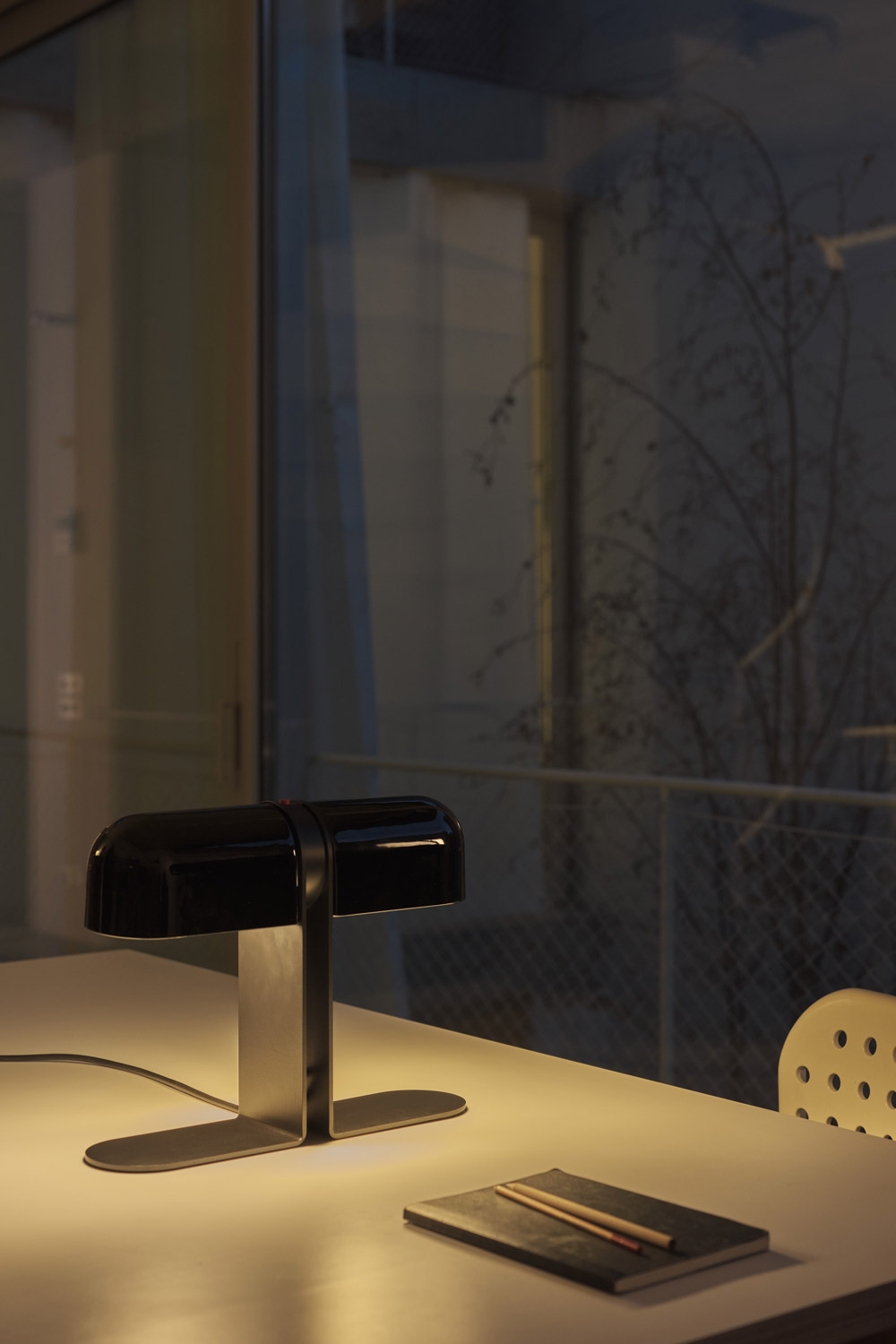
The connection we feel with our work and with the products we edit is profound. We are truly inspired by the stories behind every item in our catalogue and strive to share these exemplary narratives with our contemporaries – from Miguel Milá’s essential legacy to Antoni Arola’s avant-garde poetic lighting designs to André Ricard’s pioneering work in industrial design, among many others.
“Just as designers earn from a single concept, artists should be able to do the same through limited editions.”
Q:
A:
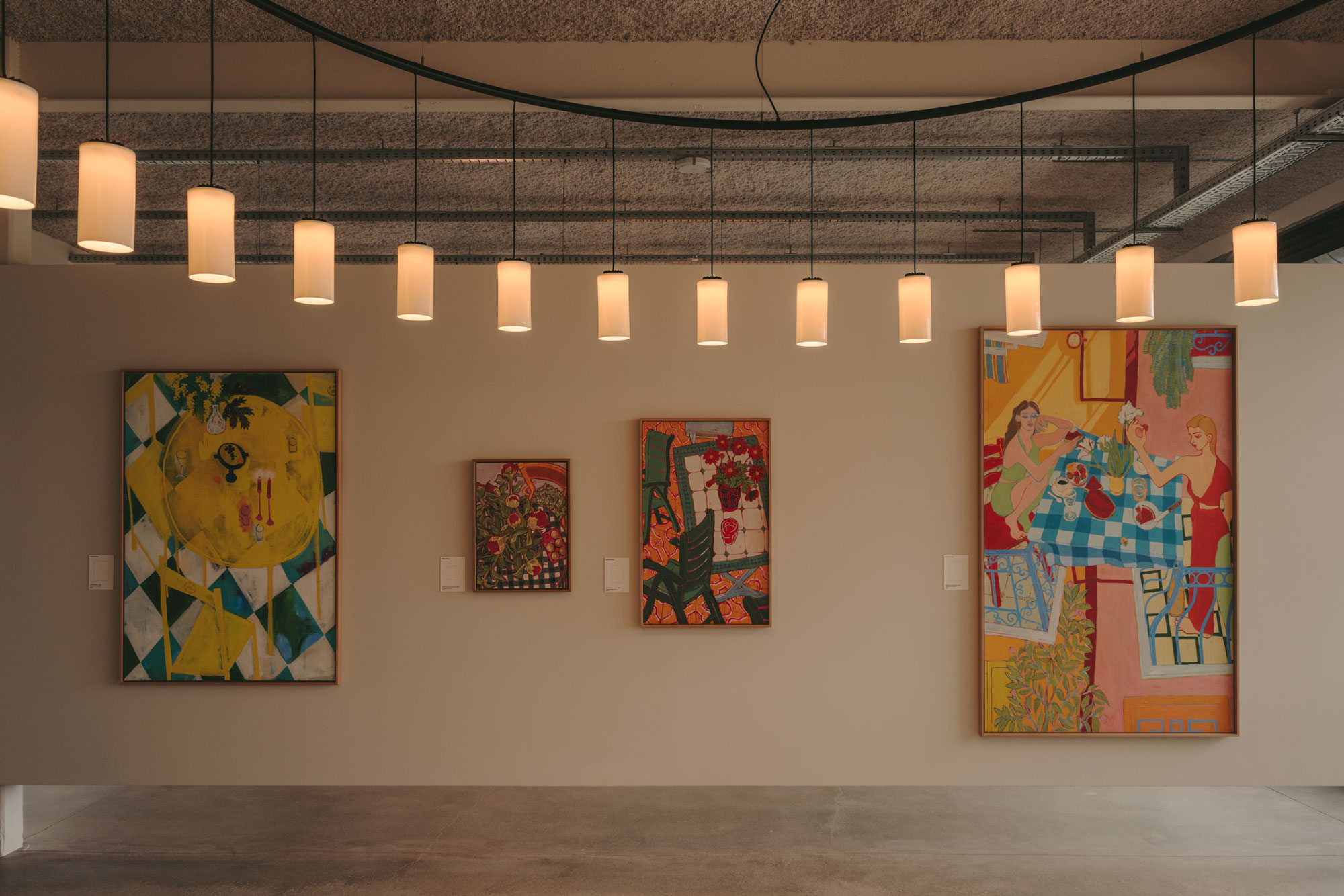
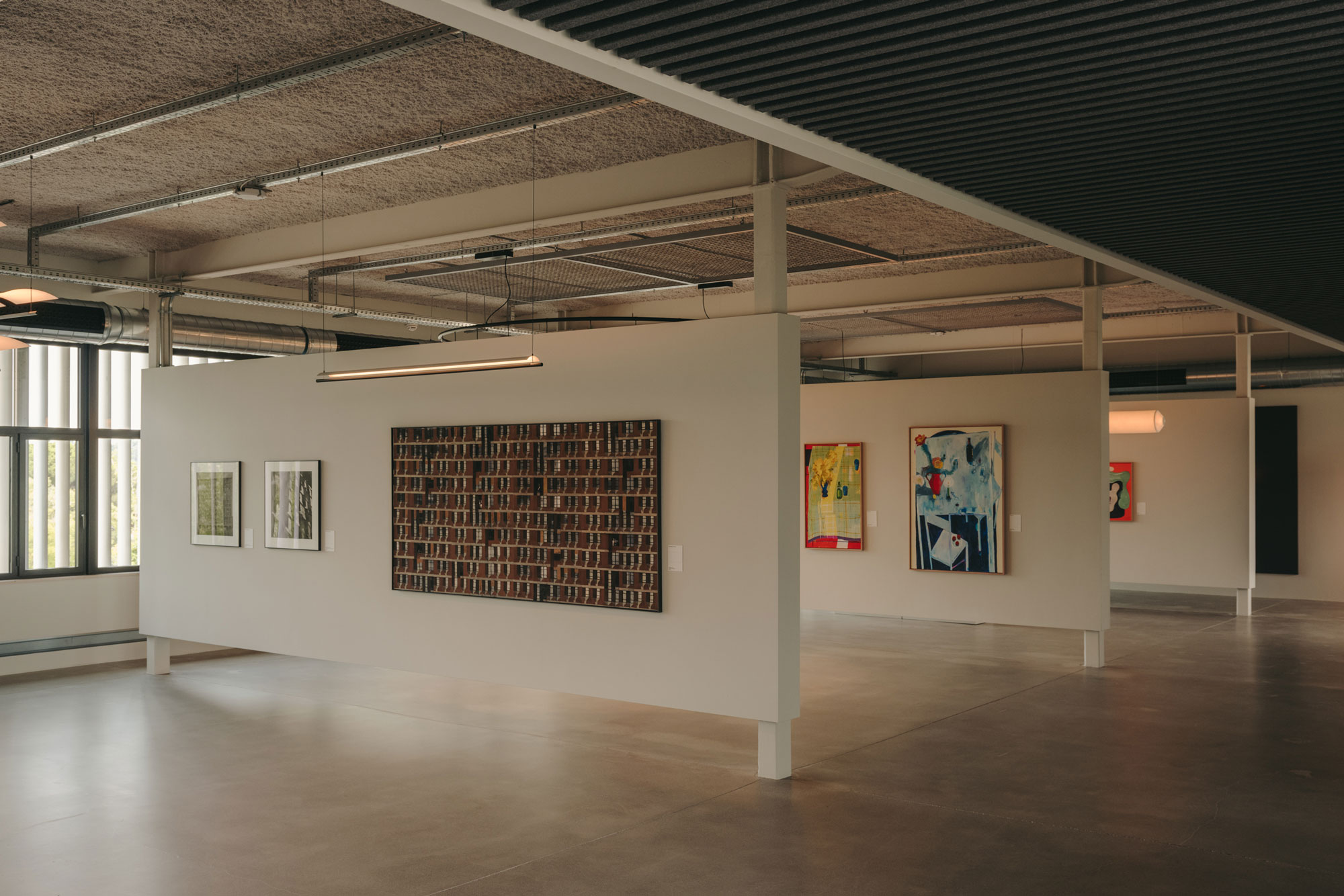
In 2020, we opened Galería Santa & Cole. We started representing artists and hosting exhibitions in our physical space. Besides selling their original artwork, we rapidly got interested by the potential of art editions. Let us give you an example of the power of editions:
We collaborated with COAC, the School of Architecture in Barcelona, to bring hidden architectural drawings by Federico Correa to the public. These original works were stored in an archive basement, unseen. We thought – why not make them accessible? So, we digitalised the collection and created high-quality facsimile replicas, preserving details like pencil smudges and hand marks. If the quality meets the right standards, the replica becomes an authentic piece. Now, these facsimiles can be enjoyed in homes, offices or studios instead of being locked away.
We also collaborate with contemporary artists on an edition-based model, allowing them to create replicas rather than relying solely on unique originals. Just as designers earn from a single concept, artists should be able to do the same through limited editions. This approach prioritises intellectual property and offers a fairer way to sustain artistic work.
“Younger generations seem to approach ownership differently.”
Q:
A:
We often talk about the democratization of art, and that’s a big part of what we do. Our collaboration with the Barcelona School of Architecture brought hidden works to the public, making them available beyond institutional archives. Price is also a factor – originals are limited by supply and demand, but broader editions make art more accessible.
Younger generations seem to approach ownership differently. Many appreciate the chance to own a piece created with the artist, even if it’s not an original – similar to screen prints or lithographs. While some still see art as an investment, valuing originality above all, we focus on art as a living experience. It shouldn’t be confined to museums or galleries – you should be able to live with it, have it in your home and experience it every day.
“Longevity is perhaps the greatest success a company can achieve.”
Q:
A:
Longevity is perhaps the greatest success a company can achieve. To endure, we feel it is important to have a purpose that resonates with our contemporaries.
We work to deliver the material culture we believe in: honest, comfortable and exciting. And this has been our foundational purpose.
Over these 40 years Santa & Cole has remained true to this purpose and to its core values – from our editorial criteria to our production methods and the way we communicate what we do. This shared vision also guides and nurtures new ideas.
“To stay small and familiar while being universal, and to be able and free to prioritise culture over growth or profit.”
Q:
A:
For many years we have described Santa & Cole as a small, independent and global editor of design products. In the current context of the design industry, the meaning of these three words together has become a powerful statement to us.
Whatever lies ahead for Santa & Cole, we want to face the future this same way. To stay small and familiar while being universal, and to be able and free to prioritise culture over growth or profit.
Discover how thoughtful design creates lasting value. Explore Santa & Cole’s approach to sustainability and craftsmanship – contact us at info@escandi.se to learn more and find the right pieces for your space.
